The entertainment world has changed dramatically. Streaming services are everywhere. Many people are cutting the cord. Traditional cable TV now competes hard with Internet Protocol Television (IPTV). Many people wonder which option gives the best value for their viewing habits.
This guide highlights the principle variations among IPTV vs. Cable TV. It helps you decide based on your needs, budget, and setup.
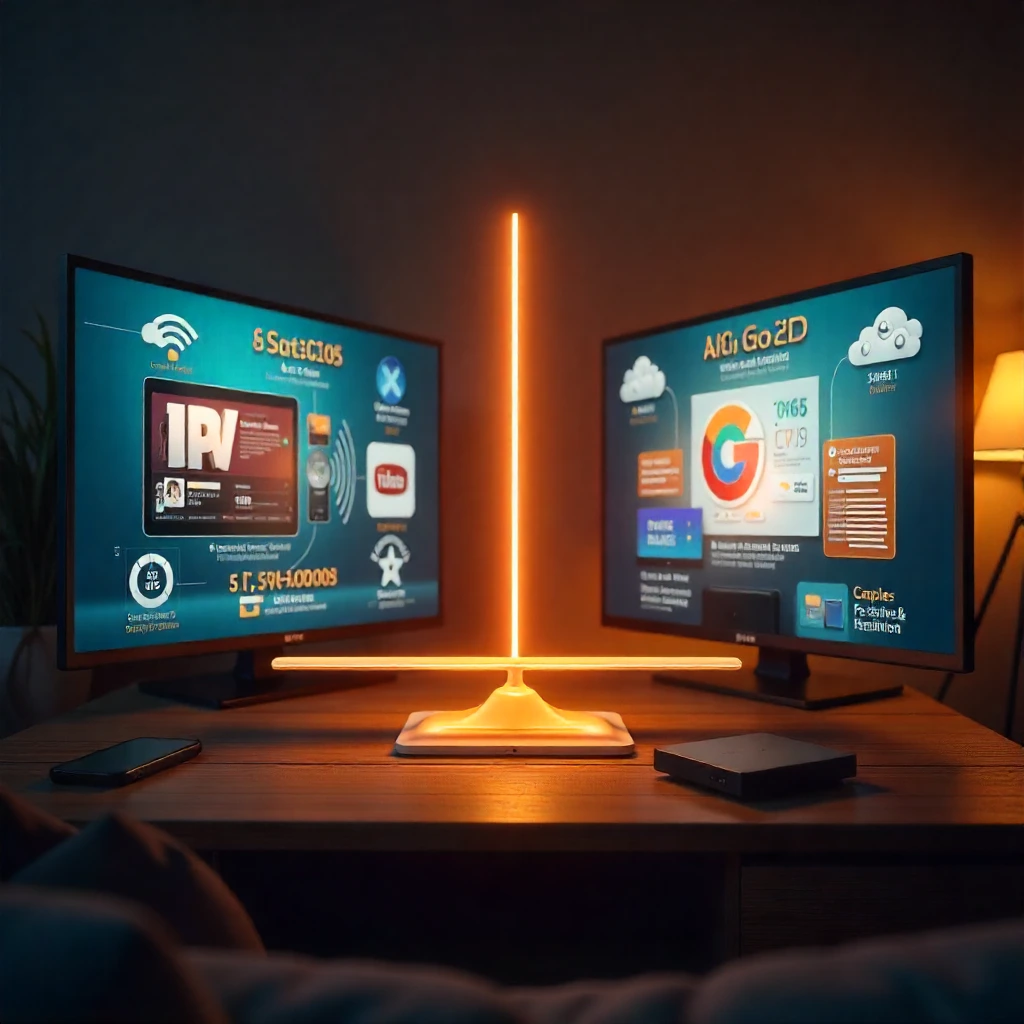
Choosing between IPTV and cable TV comes down to cost, internet reliability, and viewing needs. IPTV offers lower prices, flexible subscriptions, 4K streaming, and device compatibility, but relies on strong internet. Cable TV provides stable quality, wide channel lineups, and reliability without internet issues, though at higher costs and contracts. IPTV suits cord-cutters, while cable fits households valuing consistency and traditional packages.
What Makes IPTV Different from Traditional TV?
What is Internet Protocol Television (IPTV)?
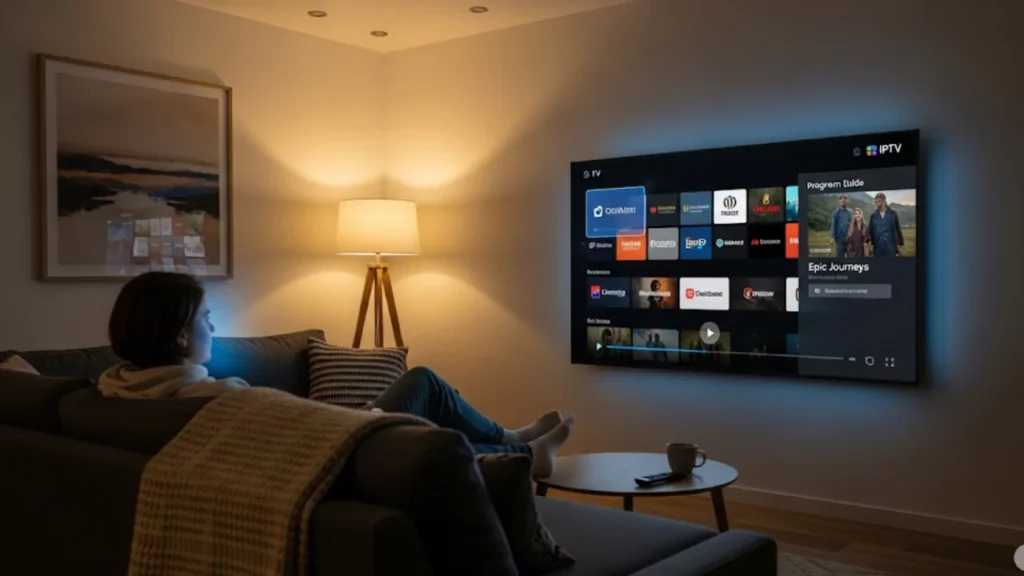
Internet Protocol Television, or IPTV, brings TV content directly to your home internet. This is unlike traditional broadcasting methods. IPTV streams video content directly to your smart TV, IPTV box, or any device that works with it. This means you don’t need coaxial cables or satellites.
Popular IPTV services are YouTube TV, Sling TV, and other streaming platforms. They provide live TV plus on-demand content. These services utilize streaming protocols and content delivery networks. They provide entertainment directly to today’s viewers.
How IPTV Works: Delivering Content Over IP
IPTV works by turning TV signals into data packets. These packets are sent through your internet service provider. Your smart device or set-top box gets these packets and turns them into video you can watch. This process requires a stable high-speed internet connection for optimal performance.
The technology includes fun interactive features. Users can watch videos on demand. They can also get AI-driven suggestions. Plus, they can connect with smart home systems. Many IPTV services let you access content remotely. You can watch it anywhere there’s internet.
Key Advantages of IPTV Technology
IPTV gives numerous advantages that attraction to wire-cutters and tech-savvy visitors:
- Flexibility: Watch content on multiple devices, from your smart TV to mobile devices
- Cost-effectiveness: Often cheaper than traditional cable TV packages.
- Customization: Choose specific channel bundles or content categories that match your interests.
- Interactive services: Access electronic program guides, on-demand streaming, and personalized recommendations.
- 4K Streaming: Many services offer HD and 4K streaming for better picture quality.
How Does Cable TV Work Today?
What is Cable Television?

Cable TV uses coaxial and fiber-optic cables to deliver service to your home. Cable TV systems link to broadcast networks and premium channels. They then share this content via large cable networks run by your local provider.
Traditional cable provides a wide range of channels. You can find everything from local news to specialty content. Most systems use fiber-coaxial networks. These networks blend fiber optics with coaxial cable. This combination boosts signal transmission.
How Cable TV Works: Signal via Coaxial and Fiber-Optic Cables
Cable TV providers send signals to your home using coaxial or fiber-optic cables. These cables run either underground or overhead. They connect immediately to your cable box or virtual tuner. This service does not depend on your internet. Modern systems use digital transmission for clearer pictures and more channels. They frequently mix traditional cable with internet capabilities.
Key Characteristics of Cable TV
Cable television maintains several distinctive features:
- Reliability: Service continues regardless of internet speed or connectivity issues
- Wide channel selection: Choose from many channels, including broadcast and premium options.
- Professional installation: Technicians handle setup and maintenance
- Bundled offerings: regularly packaged with net and call offerings.
- Consistent quality: Picture and sound quality remain stable during peak usage times
Which Service Offers Better Value?
Content Variety and Channel Lineup
Cable TV offers a wider range of channels. This is especially true for sports, news, and premium options. Traditional cable packages come with local broadcast networks, specialty channels, and unique content you won’t find on streaming services.
IPTV services focus on popular content and offer more customizable channel bundles. Offerings like YouTube tv and Sling tv offer true channel lineups. They may miss some niche content or local shows that cable TV offers.
Content Delivery and On-Demand Flexibility
IPTV excels in on-demand streaming and flexible viewing options. Many services offer cloud archives. This lets you watch shows when you want, without interruptions from commercials. You can pause, rewind, and access content across multiple devices seamlessly.
Cable TV offers video-on-demand services, but it’s less flexible than IPTV platforms. Cable offers more reliable live TV access, especially for sports and breaking news.
Picture and Sound Quality
Both services can deliver excellent image and sound quality, but through different methods:
- IPTV quality depends on internet speed: 4K streams require robust high-speed internet
- Cable TV provides consistent quality: Less affected by network congestion or connectivity issues
IPTV services offer advanced features like HDR and Dolby Atmos. In contrast, cable TV provides reliable, consistent full HD content.
Reliability and Performance
Cable TV wins on reliability. You’ll have steady access to basic service, so it works well even if your internet is slow or down. This makes cable ideal for areas with unreliable internet service.
IPTV performance at once correlates together with your net velocity and community balance. When it’s busy or the internet is slow, users might face buffering, low quality, and interruptions.
Cost, Pricing Models, and Total Value
IPTV generally offers more affordable entry points and flexible pricing:
- Streaming services range from $30-70 monthly
- No equipment rental fees for basic streaming
- Cancel anytime without contracts
- Bundle with existing internet service
Cable TV typically involves higher costs but includes more comprehensive service:
- Traditional packages often start around $50-100+ monthly
- Equipment rental fees for set-top boxes
- Installation and service fees
- Contract commitments common
What Should You Consider Beyond Basic Service?
Your Internet Connection: The Foundation for IPTV
IPTV fulfillment relies upon entirely on your house internet connection nice. You need reliable high-speed internet. Aim for 25+ Mbps for 4K streaming or using multiple devices. Consider your internet service provider’s reliability and data caps before choosing IPTV.
Rural regions or places with susceptible broadband may additionally have IPTV issues. In these cases, cable TV is often the better choice for reliable access to television.
Device Compatibility and Accessibility
IPTV is flexible. It works on smart TVs, tablets, smartphones, Amazon Fire TV Stick, and computers. This way, family members can enjoy great content on their favorite devices. Cable TV needs special gear, like cable boxes or digital tuners. It mostly connects to TVs and provides a simpler interface. This makes it easier for users who aren’t very tech-savvy.
Security and Legality of IPTV Services
Choose legitimate IPTV providers to avoid legal issues and security risks. Reputable services like YouTube TV, Sling TV, and Amazon Prime Video are legal. They also keep user data secure.
Avoid unauthorized IPTV services that might offer suspiciously cheap access to premium content. These services usually offer bad customer support. They can also put your devices at risk for security issues.
Customer Support and Service Quality
Cable TV providers usually have local customer support. This includes technician visits for equipment issues or signal problems. This hands-on support benefits users who prefer professional assistance with technical problems.
IPTV services usually provide online support and troubleshooting guides. While convenient, this approach requires more self-service problem-solving when technical issues arise.
Pro Tips for Making Your Decision
Weigh these points as you decide between IPTV and cable TV for your entertainment:
- Test your internet speed during peak hours to ensure IPTV compatibility
- List your need to-have channels and compare availability across offerings
- Calculate total monthly costs, including internet, equipment, and fees
- Consider your household’s technical comfort level with streaming technology
- Check availability at your local service area for both cable and internet options
You can often combine services. Preserve primary cable for reliable news and sports. Then, add streaming services for more entertainment options and on-demand content.
Final Thoughts: Choose What Fits Your Lifestyle
Neither IPTV nor cable TV is clearly better. Your choice depends on your needs, setup, and viewing habits. IPTV offers modern convenience and cost savings for tech-comfortable households with reliable internet. Cable TV provides reliable service and plenty of options for fans of traditional TV.
Try a trial period for IPTV services while keeping your current setup. You can test performance first. This lets you check if you like the content before making a permanent change. This method helps you decide based on actual experience, not just specs.
Frequently Asked Questions
1. Can IPTV replace cable TV?
Yes, IPTV can replace cable TV by offering live channels, VOD, and 4K content over the internet at a lower cost.
2. Do I need a box for IPTV cable TV?
Not always. IPTV apps work on Smart TVs, Firestick, and mobiles. A box is only needed for older TVs.
3. Is IPTV cable TV legal in the US?
Yes, IPTV is legal if the provider holds broadcasting rights. Using unlicensed IPTV is illegal.
4. What is the best option to watch IPTV cable TV?
The best way is through IPTV apps on Firestick, Android TV, or Smart TVs for smooth streaming.
5. Why are people switching from cable TV to IPTV?
People like IPTV for several reasons. It’s cheaper than cable. It also offers more flexibility and a wider range of on-demand content.
About The Author