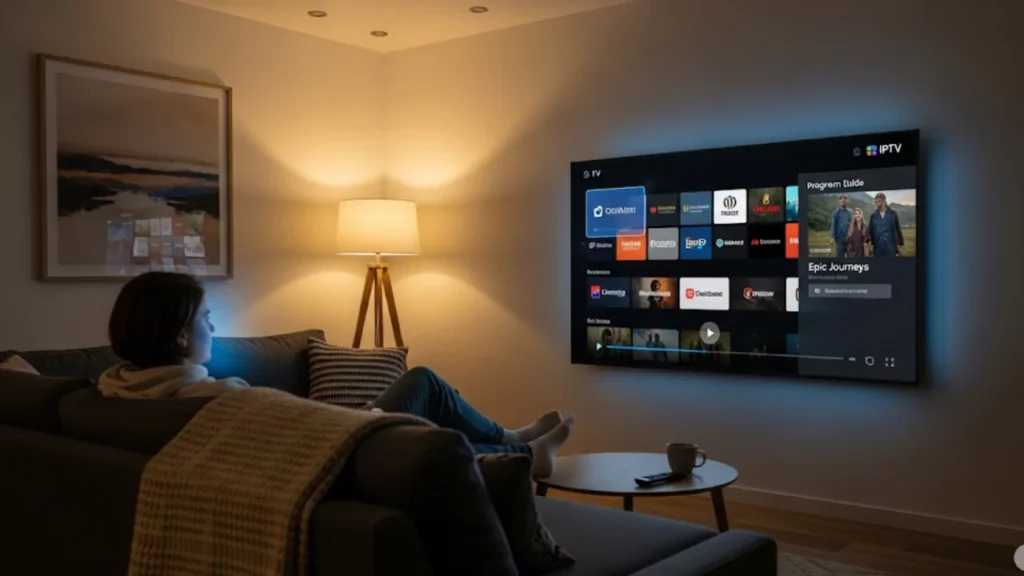
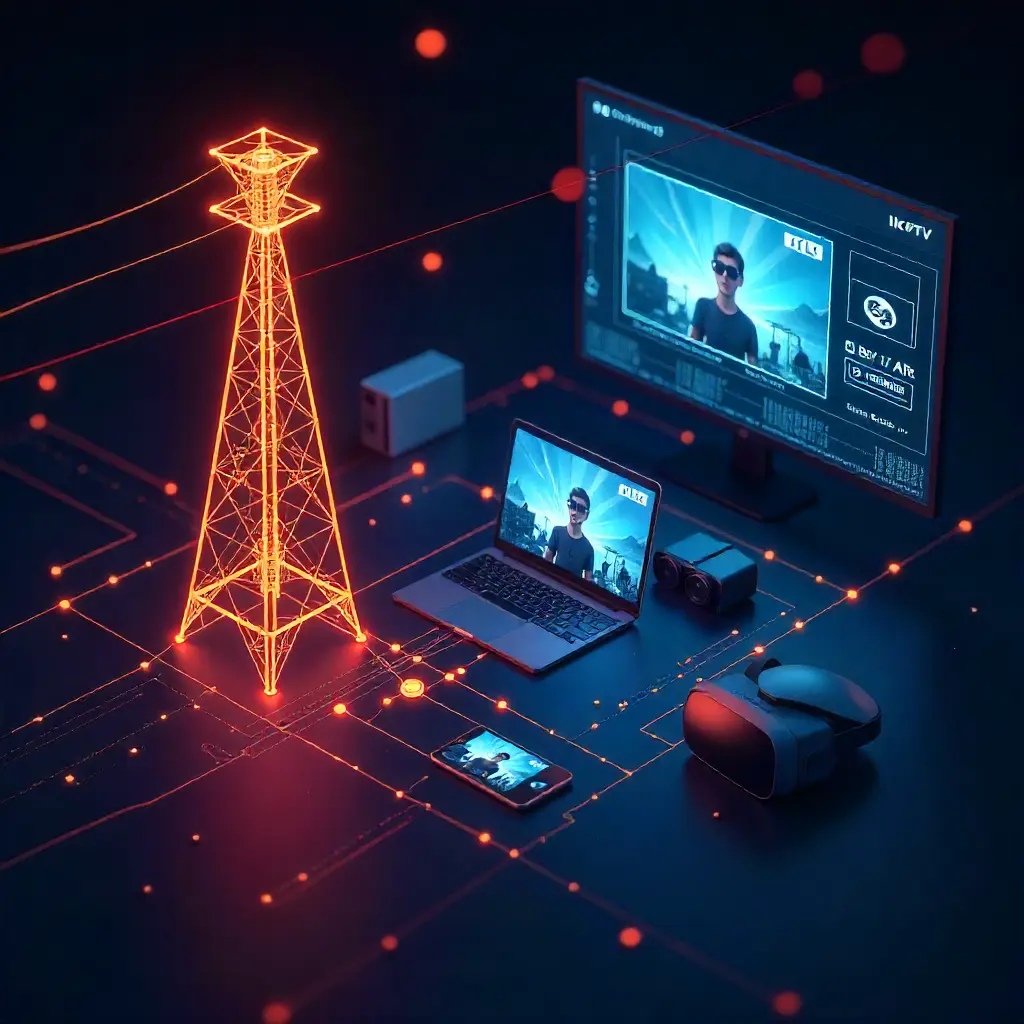
Streaming just got a major upgrade. The power of 5G and edge computing is transforming how we watch TV and consume content. 5G speed and edge computing provide very low latency. This means fast loading and clear images for viewers. This technology provides a smooth, immersive experience. No matter if you’re into live sports, binge-worthy shows, or high-res movies, it’s a unique experience.
Next-gen IPTV is powered by 5G and edge computing, delivering ultra-low latency streaming, instant channel switching, and broadcast-quality video across devices. 5G ensures high bandwidth for 4K/8K and VR streaming, while edge servers process data closer to viewers for smoother performance. This combination enables immersive experiences like cloud gaming, AR overlays, and 360° VR events, all with near-zero buffering. IPTV providers adopting these technologies gain faster delivery, higher engagement, and future-ready entertainment experiences that surpass traditional cable and OTT platforms.
How Does 5G Transform IPTV Connectivity?
The Evolution of Television and Streaming Demands
Conventional IPTV structures confronted enormous demanding situations with 4G LTE networks. Users often dealt with buffering and slow responses on streaming services. This was especially true during peak hours, leading to poor quality of service. Users wanted quick access to Video on Demand and live TV. They didn’t like the frustrating delays of older Internet Protocol Television systems.
Understanding IPTV and its Core Challenges
IPTV service providers struggled with several technical hurdles:
- Network congestion during high-traffic periods
- Limited bandwidth affecting ultra-HD content delivery
- Latency issues impacting live streaming quality
- Inefficient Content Delivery Networks causing regional disparities
The Promise of Next-Gen IPTV: 5G & Edge Architecture
5G technology addresses these fundamental limitations through enhanced connectivity. The new network standard offers high bandwidth. It supports more than one 8K streams on the equal time. This development helps IPTV services give content formats that traditional networks couldn’t provide.
What Makes Edge Computing Essential for IPTV?
Beyond Speed: 5G’s Pillars for Streaming
5G networks offer three critical improvements for streaming media services:
- Enhanced Mobile Broadband: Supports ultra-HD content without compression artifacts
- Ultra-Reliable Low Latency Communications: Reduces response time to under 20 milliseconds
- Massive Machine Type Communications: Enables Internet of Things integration for smart viewing experiences
5G’s Direct Impact on IPTV Content Delivery
The transition from 4G LTE to 5G technology transforms content distribution architectures fundamentally. Adaptive Bitrate Streaming quickly adjusts video quality. It responds to network conditions as they change. This upgrade means your local sports bar viewers won’t miss key moments because of buffering.
What is Edge Computing?

Edge computing brings data processing closer to users. This shortens the space that statistics have to travel. Edge footprint deployment moves processing power to the edges of the network. This is different from traditional cloud computing, which relies on centralized servers. This proximity dramatically improves latency dimension consequences for time-sensitive packages.
Bridging the Gap: How Edge Enhances CDNs and Cloud Infrastructure
Edge computing complements existing Content Delivery Networks by creating additional processing points. These distributed nodes take care of content ingestion and initial processing nearby. This cuts down the load on the origin capacity. The end result is a extra efficient cloud infrastructure. It scales based on regional demand patterns.
How Do 5G and Edge Create Ultra-Low Latency IPTV?
The Combined Power: How 5G’s Network and Edge’s Processing Intersect
When 5G networks work alongside edge computing, they create unprecedented streaming capabilities. Edge nodes use machine learning algorithms to analyze viewing patterns in real-time. They predict content requests even before users make them. This predictive approach enables ultra low latency streaming that feels instantaneous.
Real-time Data Processing at the Edge, Powered by 5G Connectivity
Edge servers process video content locally, reducing dependency on distant data centers. 5G technology provides the high-speed connectivity needed to synchronize these distributed processing points. This combo allows features like Low-Latency HLS. It also uses protocol fallback to keep quality steady during network changes.
Quantifying Latency Reduction: From Core to Consumer Device
Traditional IPTV systems typically experience 200-500 millisecond delays. Next-generation implementations reduce this to 10-50 milliseconds through strategic edge deployment. This upgrade makes interactive features better. Now, switching channels feels as fast as changing stations on a Set-Top Box.
Can 5G and Edge Enhance Beyond Latency?
Optimizing Streaming Protocols for 5G & Edge IPTV
Modern IPTV system architectures utilize advanced protocols designed specifically for 5G environments. The optimizations include multicast-assisted adaptive bitrate (mABR) streaming and improved IP-based transport mechanisms. The result is more efficient bandwidth utilization and consistent streaming service quality.
Instantaneous Channel Switching and Faster Response Times
Users experience immediate channel changes without the traditional buffering period. This responsiveness extends to on-demand content browsing, where thumbnail previews load instantly. The better user experience competes with traditional broadcast services. It offers quick responses and keeps the flexibility of the internet.
Unlocking Immersive Experiences: VR/AR Streams and Cloud Gaming
5G and edge computing enable entirely new content categories:
- VR broadcasts of live events with 360-degree viewing.
- Augmented reality overlays on live sports programming.
- Cloud gaming integration within IPTV interfaces.
- Holographic television demonstrations and interactive content.
These immersive experiences need ultra-low latency. Only combined 5G and edge architectures can provide this reliably.
Personalized Content Delivery and Interactive IPTV Features
Machine Learning algorithms analyze viewing habits to pre-position popular content at edge locations. This personalization includes HDR content optimization. It also makes automatic quality adjustments based on what the device can do. AR headsets receive specialized streams optimized for their unique display requirements.
What Challenges Exist for Implementation?
Overcoming Technical and Infrastructural Hurdles
Deploying next-generation IPTV requires significant infrastructure investment. Network operators need to upgrade their systems. This will help them support new broadcasting technologies. They also have to keep backward compatibility. Distributed edge computing brings more security threats. So, we must improve virtual rights management and raise protection against virtual piracy.
The Road Ahead: Evolution of IPTV with 6G and Advanced AI/ML
Future plans feature VVC (H.266) codec integration. They also include blockchain for content authentication. Quantum computing research suggests even more dramatic improvements in content processing capabilities. These advances will further enhance the Quality of Service for streaming services worldwide.
The Future of IPTV Streaming
Recapping the Transformative Impact
5G networks and area computing are converting how we watch video content. This tech blend offers ultra-low latency and high-quality streaming. Modern viewers expect this, making traditional cable TV seem outdated.
A Future of Unparalleled Viewing Experiences
Next-gen IPTV services will keep growing. They will support catch-up TV, remote production workflows, and mobile viewing in vehicles. As this technology develops, we’ll see easy integration on all devices and in every location.
Frequently Asked Questions
1. What is the future of IPTV?
The future of IPTV includes 4K and 8K streaming. It also features cloud DVR, AI-driven recommendations, and smart home device integration.
2. Is IPTV legal in the United States?
Yes, IPTV is legal if you subscribe to licensed providers. Illegal, unlicensed IPTV services can lead to penalties.
3. What is the new technology in IPTV?
Next-gen IPTV combines AI, adaptive bitrate streaming, and edge servers. This mix gives you faster, buffer-free video experiences.
4. What is the best IPTV subscription for 2025?
Top IPTV subscriptions in 2025 include HD and 4K channels. They also offer video on demand (VOD) and support multiple devices. Plus, they feature strong anti-freeze technology.
5. Will NEXTGEN TV require a subscription?
Yes, some NEXTGEN TV channels are free over-the-air. However, premium content and IPTV packages usually require a subscription.
About The Author