Tired of endless buffering ruining your favorite shows and movies? Interruptions can ruin a critical scene or a long-awaited episode. They turn a relaxing moment into a frustrating one. These proven solutions will boost your internet connection. They’ll boost your device’s performance. This will make your streaming clean and enjoyable. Say goodbye to interruptions and enjoy uninterrupted IPTV content as it was meant to be.
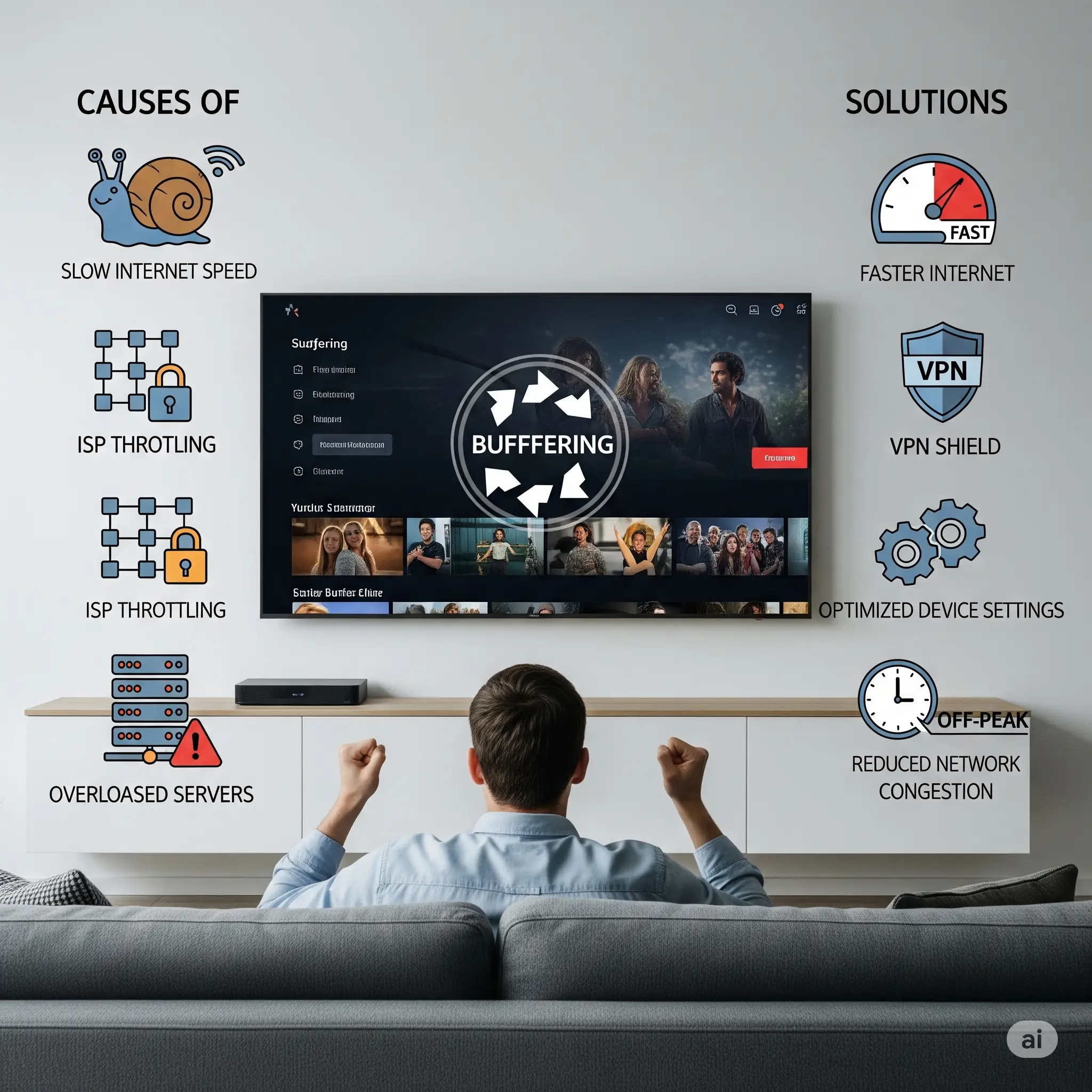
IPTV buffering issues stem from sluggish internet speed, ISP throttling, or overloaded servers. Upgrade your internet connection. Use a VPN to get around restrictions. Optimize your streaming device settings. Reduce network congestion during peak hours. This will help you stream videos more smoothly.
What Causes IPTV Buffering Problems?
Slow or Unstable Internet Connection
Your internet connection forms the spine of clean IPTV streaming. Most buffering issues trace back to insufficient internet speed or unstable connectivity. For 4K content, you need at least 25 Mbps, while HD streaming requires 5-10 Mbps consistently.
Unstable internet can cause frequent interruptions. This makes your streaming device pause and buffer a lot. Speed can drop due to weather, broken cables, or old equipment from your internet provider.
ISP Throttling
Internet service providers often slow down streaming during busy times. This can affect your streaming quality on Amazon Fire TV Stick devices. Throttling usually happens at night when the network is busy. This can cause data-heavy services to have trouble delivering content smoothly.
Overloaded IPTV Provider Servers
Even the best IPTV providers struggle with server congestion. This happens when too many users try to access content simultaneously. Bad server planning leads to buffering delays. This frustrates viewers on many streaming devices.
Server performance issues become noticeable during major sporting events or popular show premieres. Your IPTV provider might have problems. These can include server outages or slow content delivery when it’s busy.
How Can You Enhance Internet Performance?
Testing Your Current Internet Speed
- Measure your actual internet speed using reliable testing tools.
- Run tests throughout the day. This helps you see patterns in connection performance, especially during streaming hours.
- Evaluate your effects along with your internet service issuer’s promised speeds.
- Big differences may show issues with the router setup, WiFi settings, or service delivery. These problems should be addressed.
Advantages of Wired Connections
Ethernet connections provide superior stability compared to wireless networks. Connect your streaming device in your router with an Ethernet cable. This will help avoid WiFi interference and signal strength problems.
Wired connections reduce latency and provide consistent bandwidth for your streaming service. This direct Ethernet connection is great for Smart TVs, Android TV boxes, and Fire TV devices. It helps them manage high-resolution content easily.
Switching to 5GHz WiFi
Upgrade your WiFi signal to the 5GHz band if wired connections aren’t feasible. The 5GHz frequency is less crowded and faster than the busy 2.4GHz band many home devices use.
Move your streaming devices closer to your WiFi router. You can also add a WiFi Extender to improve the signal in far rooms, such as your entertainment center.
Can VPNs Improve Your Streaming?
Bypassing ISP Throttling
VPNs bypass ISP throttling. They encrypt your internet traffic and hide your streaming pastime from your company. This prevents automatic speed reductions during peak usage periods.
Pick out VPN offerings with obfuscated servers designed especially for streaming. These specialized servers cover VPN traffic like ordinary surfing. This makes it more challenging for providers to find and slow down your connection.
Ensuring Privacy with VPN Usage
Quality VPN services protect your streaming activity while providing access to region-restricted content. Choose providers with kill switch features. This helps keep your security intact if your VPN connection drops.
- Innovative DNS services let users choose speed instead of full privacy.
- These services redirect only location-related traffic, without encrypting all data.
- This allows for faster streaming speeds.
Recommended VPN Features for IPTV
Select VPNs with high-speed servers optimized for video streaming. Key capabilities are endless bandwidth, many server locations, and apps for Fire TV, Android TV, and more.
Avoid free VPNs that often impose bandwidth limitations and slower speeds. Premium services build better server systems and offer reliable support for streaming issues.
What Device Settings Need Optimization?
Adjusting App Configurations
Adjust your IPTV apps for better performance. Change the buffer size and stream resolution to match your internet speed. Popular apps like IPTV Smarters allow custom buffer configurations.
- Access your app’s settings menu.
- Increase buffer size to 10-15 seconds for unstable connections.
- Lower stream resolution during peak hours to reduce bandwidth demands
Clearing Cache Regularly
Clear your app cache weekly to prevent accumulated data from slowing down performance. Corrupted cache files result in app crashes, login errors, and authentication failures. These issues can disrupt streaming.
Most streaming devices offer built-in cache-clearing options through their settings menus. For ongoing problems, do a factory reset. This will help your device run better. Remember, you must set up your apps and channel settings again.
Using External Media Players
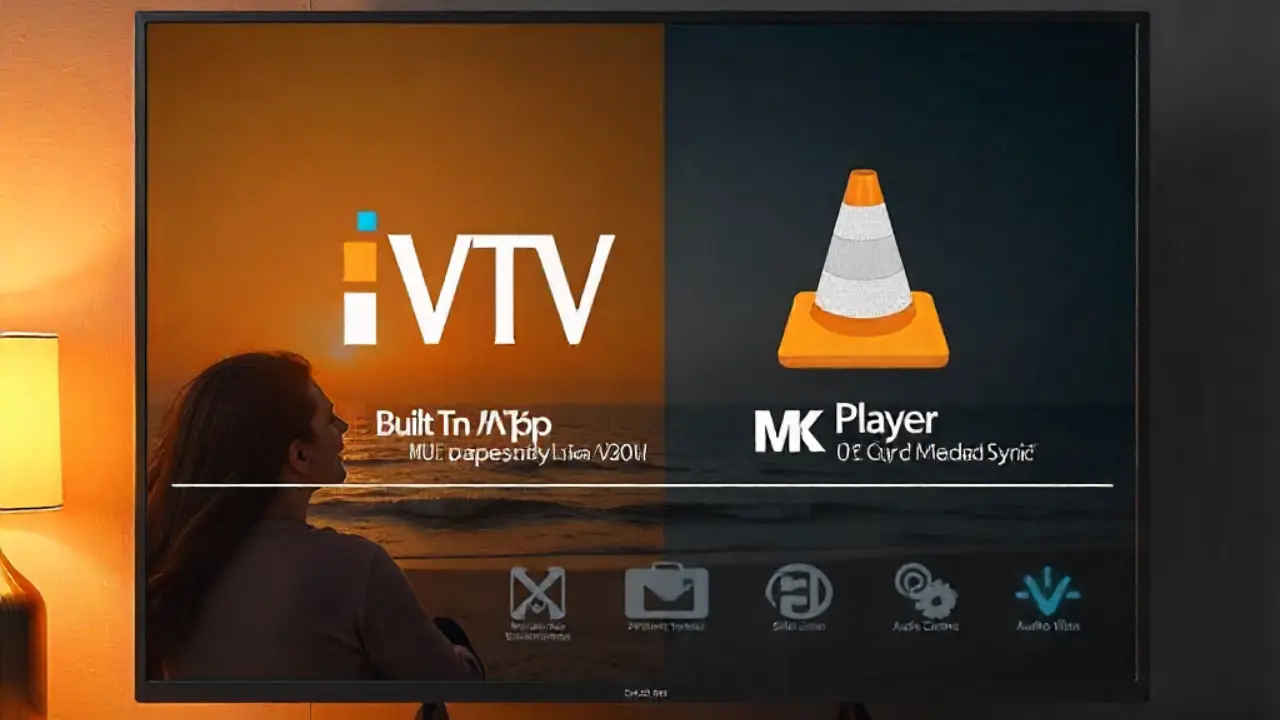
Use dedicated media players like VLC or MX Player instead of built-in apps. External players often manage M3U playlist files better. They also support streaming protocols more effectively.
These players offer advanced settings for buffer management and audio/video synchronization. They’re particularly useful for older set-top boxes or devices with limited processing power.
Why Keep Everything Updated?
Importance of Regular Updates
- Streaming tool makers often release updates. These updates boost performance and fix safety issues.
- Updates also enhance compatibility with streaming services.
- Outdated Fire OS or Android TV systems may struggle with newer streaming protocols.
App developers continuously optimize their software for better content delivery and reduced buffering. Skipping important updates can lead to compatibility issues, data errors, and a drop in streaming quality.
How to Update Your Device and Apps
Enable automatic updates for both your streaming devices and IPTV apps. This lets you get the latest performance boosts and security updates automatically.
For devices without automatic updates, check for system updates monthly. Go to your device settings. Look for system update options for your platform, like Android TV, Fire TV, or Smart TVs.
How to Reduce Network Congestion?
Minimizing Background Processes
Close unnecessary background apps on your streaming device. They use up system resources and bandwidth. This can lead to buffering and slower streaming. Many apps run in the background even when not in use, so make it a habit to check and close them regularly. Schedule automatic updates and cloud syncs for off-peak hours. Late at night or early morning works fine. This avoids disruptions during busy streaming times. Enjoy smoother entertainment without delays!
Disconnecting Unnecessary Devices
Temporarily disconnect devices that aren’t essential during streaming sessions. Smart home devices, tablets, and phones can all use your network simultaneously. This can lead to competition for bandwidth. This competition can affect your streaming experience.
Implement Quality of Service (QoS) settings on your router. This will help prioritize streaming traffic over other activities on your network. This ensures your live TV device gets enough bandwidth, even if other devices use it.
What Advanced Solutions Help Persistent Issues?
Upgrading Streaming Hardware
Improve to better streaming hardware if your present day device can not preserve up. Newer devices manage 4K content better. They also offer stronger processing power for complex streaming tasks.
Choose devices that have enough RAM and processing power. This will help you run multiple streaming apps at the same time. The newest Amazon Fire TV Stick models, the NVIDIA Shield, and unique IPTV set-top boxes are top picks.
Considering Alternative IPTV Providers
If buffering keeps happening, look into other IPTV providers. They might have better servers and more reliable streaming. Choose options with good server capacity, broad geographic reach, and positive reviews. Also, use trial periods to test performance before you commit.
Pro Tips for Optimal Streaming
- Check your internet speed often at different times. This helps you see patterns in how your network performs. Then, you can plan your streaming better.
- Use Ethernet connections whenever you can. They offer more stable connectivity than wireless networks. This ensures better streaming quality.
- Set up your router’s QoS settings. Streaming traffic is first, ahead of file downloads and software updates.
- Always have a backup streaming method ready. Use mobile data or a secondary internet connection for important live events.
- Keep an eye on your data usage if you have bandwidth limits. IPTV streaming uses a lot of data, especially with 4K content.
Final Thoughts: Enjoy Uninterrupted Streaming
To solve IPTV buffering issues, use a step-by-step method. Optimize your network. Keep devices in good shape. Choose smart settings. Begin with simple steps. Test your internet speed and clear app cache. If issues persist, try advanced options like VPNs or hardware upgrades.
Keep in mind that streaming quality depends on a few elements working well together. To preserve your streaming setup going for walks properly, test it frequently. Also, watch your network. This way, you’ll enjoy smooth entertainment for years.
Frequently Asked Questions
1. Why is my IPTV buffering every 30 seconds?
IPTV buffers due to slow internet, overloaded servers, or poor-quality IPTV providers.
2. How do I reduce IPTV buffering?
- Use a stable internet connection.
- Connect via Ethernet, not Wi-Fi.
- Choose a reliable IPTV service.
3. Does IPTV require high-speed internet?
Yes, IPTV needs at least 10 Mbps for SD, 20 Mbps for HD, and 30+ Mbps for 4K streaming.
4. Why does my IPTV freeze while streaming?
Freezing can occur due to low bandwidth, old apps, or many users on the same server.
5. What is the best way to stop IPTV buffering?
Upgrade internet speed, clear app cache, use a VPN for stable routing, or switch to a better IPTV provider.
About The Author