Looking to cut your entertainment bills without giving up your favorite shows? IPTV (Internet Protocol Television) is a affordable cable tv option than cable. It has flexible pricing, lower equipment costs, and lets you customize your subscription. Delivered over the internet, IPTV eliminates bulky hardware and long-term contracts. Enjoy live sports, movies, or series while paying only for what you watch. It’s an affordable, smarter way to enjoy entertainment your way.
IPTV, or Internet Protocol Television, sends content using internet protocols. It doesn’t rely on coaxial cable or satellite TV systems. This streaming service usually costs 50-70% less than cable TV. It cuts out equipment rentals, installation fees, and required channel bundles. Users love live TV, video on demand, and premium content. They can easily access this on their smart TV or streaming device. They just need a reliable internet connection.
Understanding IPTV vs. Cable TV
Definition and Basic Concepts of IPTV
IPTV changes how we watch TV. It streams movies, web series, and live shows to your device using the internet. This streaming service works differently from traditional broadcasting. It sends content through your internet connection. You can watch it on smart TV apps, set-top boxes, or devices like Fire Stick.
The user experience is like cable TV but runs on your internet plan. You can watch live TV shows or catch up on premium content. Everything streams in either Full HD or 4K resolution. It all depends on your subscription choices.
How Cable TV Traditionally Operates
Cable TV uses coaxial and fiber-optic cables to send TV services to homes. This system needs special set-top boxes for every room. This leads to ongoing rental and maintenance costs that can add up fast.
Cable companies bundle TV channels in pricey packages. This forces customers to pay for content they don’t watch. Regional sports networks, HD channels, and premium content often add extra fees. These fees can raise your monthly bill a lot.
Key Differences in Content Delivery
- Infrastructure: Cable uses physical coaxial cable networks, while IPTV leverages existing internet connections
- Equipment:
- Cable needs several set-top boxes for each room
- IPTV works with any smart TV or streaming device
- Content Access:
- Cable has scheduled programming
- IPTV allows you to skip ahead and provides on-demand access
- Delivery Method:
- Cable sends broadcasts to all subscribers at once
- IPTV streams personalized content using Content Delivery Networks
What Are IPTV’s Main Cost Advantages?
Reduction in Equipment and Infrastructure Costs
IPTV cuts out expensive set-top boxes. It provides an easy and cheap way to watch your favorite shows and channels. You don’t have to pay monthly hardware fees. Instead, use devices you already own. This includes smart TVs, tablets, smartphones, and streaming devices like Roku, Fire Stick, and Apple TV. This flexibility saves money. You can watch content easily on various devices. This gives you entertainment whenever you want it.
Installing IPTV is almost free. You don’t need a technician to visit or drill for cables. Most IPTV services use smart apps. You can download these apps directly to your device. This means no installation fees, unlike cable companies.
Customizable Subscription Models
IPTV services let you choose flexible subscription packages. Unlike cable TV’s rigid bundles, these options fit your viewing habits. You can pick ad-based plans, premium tiers, or pay-per-channel options. You can avoid purchasing unnecessary content in this way.
Many IPTV providers offer regional languages and international channels. They also provide niche content that cable companies often don’t have or charge extra for. This flexibility means you pay only for channels you actually watch.
Lower Monthly Fees
- Base Pricing: IPTV services usually range from $10 to $40 a month. Cable TV, on the other hand, typically costs between $80 and $150.
- No Hidden Fees: IPTV pricing is clear. Unlike cable, it has no broadcast fees, regional sports surcharges, or equipment charges.
How Does IPTV Avoid Common Cable Expenses?
No Annual Fee Hikes with IPTV
Cable TV companies are known for raising prices every year. They often increase bills by 10-15% without improving service. IPTV providers typically maintain stable pricing structures, protecting your budget from unexpected increases.
Many streaming customers appreciate predictable monthly costs that don’t suddenly spike. This price stability helps families budget better for entertainment expenses throughout the year.
Avoidance of Per-Room Box Rental Fees
Cable companies charge $10 to $20 each month for every extra set-top box after the first one. Families with several TVs can pay over $50 a month just for equipment rentals. This is before they even pay for content.
IPTV eliminates these rental fees entirely. Your smart TV, Amazon Prime Video device, or streaming box lets you access all rooms. There are no extra monthly fees.
Why Choose IPTV for Large Setups?
Cost Benefits for Hotels and Large Venues
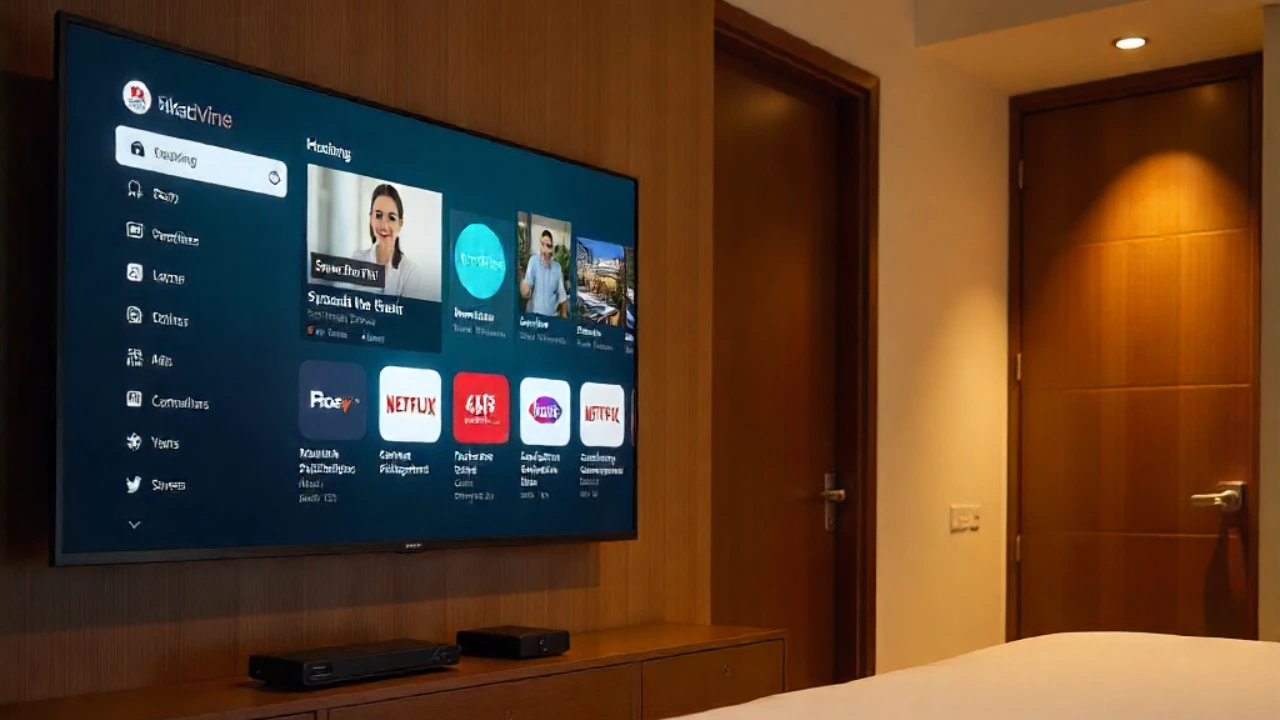
When compared to conventional cable infrastructure, hotel IPTV systems significantly lower operating costs. Properties save thousands each year by removing set-top boxes from every room. This also enhances the guest experience with modern interfaces.
Large venues gain from:
- Centralized content management
- Remote software upgrades
- Integration with smart home systems
These efficiencies reduce maintenance labor and provide better scalability than traditional cable solutions.
Simplified Management and Deployment
- Remote Management: IPTV setup boxes receive firmware updates automatically without technician visits
- Scalability: Adding new rooms or locations requires minimal hardware investment
- Integration: IPTV systems connect with PBX integration, digital signage, and guest message systems
- Customization: Properties can offer localized content, sports betting information, and regional sports programming
How Does IPTV Provide More Flexibility?
Access to a Broader Range of Channels
IPTV services offer thousands of TV channels. It offers global content, local languages, and unique shows not found on regular cable. You can enjoy live TV like YouTube TV, plus exclusive web series and 4K content.
Many IPTV providers offer catch-up features. This lets you watch shows that aired hours or days before. This flexibility surpasses cable TV’s limited DVR storage and scheduling constraints.
On-Demand Content Without Bundles
IPTV offers video on demand libraries. Unlike cable, it doesn’t force you to pay for channels you don’t want. You can pick what you want for your home. Whether it’s Disney Plus family shows or local sports, the choice is yours.
IPTV often lets you stream 4K content on several devices at once. In contrast, cable companies usually charge extra for HD on more TVs.
What IPTV Cautions Should You Consider?
Recognizing Unverified Service Risks
Some illegal streaming services pretend to be real IPTV providers. This risks users being investigated by law enforcement. They may also face content licensing issues. Always research providers thoroughly and verify their legal status before subscribing.
Reliable IPTV services operate transparently with proper licensing agreements. If pricing seems too good to be true or the provider can’t explain their content sources, consider it a red flag.
Hidden Costs to Watch Out For
- Internet Bandwidth: A robust internet plan is required to stream in 4K quality. Your monthly internet bills may increase as a result.
- VPN Services: Some IPTV content needs VPN protection. This can add $5 to $15 to your monthly expenses.
Importance of Using VPNs for Privacy
IPTV streaming may reveal your personal data and viewing habits. A good VPN keeps your privacy safe and helps with smooth performance. This is especially important for accessing geo-restricted content. You can find many VPNs for streaming at local electronics stores. They give you an easy way to safeguard your online privacy and enjoy great streaming quality.
Is IPTV Suitable for All Users?
Ideal Conditions for IPTV Usage
IPTV is ideal for homes with fast, stable internet. You need at least 25 Mbps for good 4K streaming. Fiber internet customers usually have a smooth experience. They face little buffering, even during peak hours.
Tech-savvy users enjoy IPTV’s cool features. They like channel surfing via smart apps. Voice search and smart home integration make it even better. The learning curve is minimal for anyone familiar with streaming services.
Considerations for Users with Unreliable Internet
Rural areas often have spotty internet service. This can make IPTV less reliable than satellite or cable TV. Frequent internet outages mean no television access, unlike traditional broadcasting methods.
Consider your internet stability before switching completely from cable. Some users keep basic cable while using IPTV services. They do this until internet service gets better in their area.
Final Thoughts on IPTV Savings
IPTV offers a real chance to cut your entertainment costs. Compared to standard cable TV, you get more flexibility and content. With lower monthly fees and no equipment rentals, it’s a smart pick for budget-minded viewers. Plus, you can customize your options.
To succeed with IPTV, pick good providers. Make sure you have fast internet. Also, know how your household watches TV. Begin with a trial period. This way, you can see if the service meets your needs before you cancel your cable.
Frequently Asked Questions
1. Is IPTV worth paying for?
Yes, IPTV is often worth it for many users. It’s cheaper, more flexible, and has a bigger choice of on-demand content than regular cable TV.
2. Is IPTV the same as cable TV?
IPTV streams content over the internet. In contrast, cable TV uses coaxial cables. IPTV usually offers more flexibility and features.
3. Is IPTV cheaper than cable?
Yes, IPTV services usually cost less than cable TV. They’re even cheaper when paired with internet plans or available as standalone apps.
4. Do I need a box to watch IPTV?
Some IPTV services need a set-top box. Many work directly on smart TVs, phones, or streaming devices like Firestick and Roku.
5. What’s the difference between IPTV and a cable box?
A cable box gets signals from a cable provider. An IPTV box streams content over the internet. It offers more channels and features like pause, rewind, and on-demand options.
About The Author