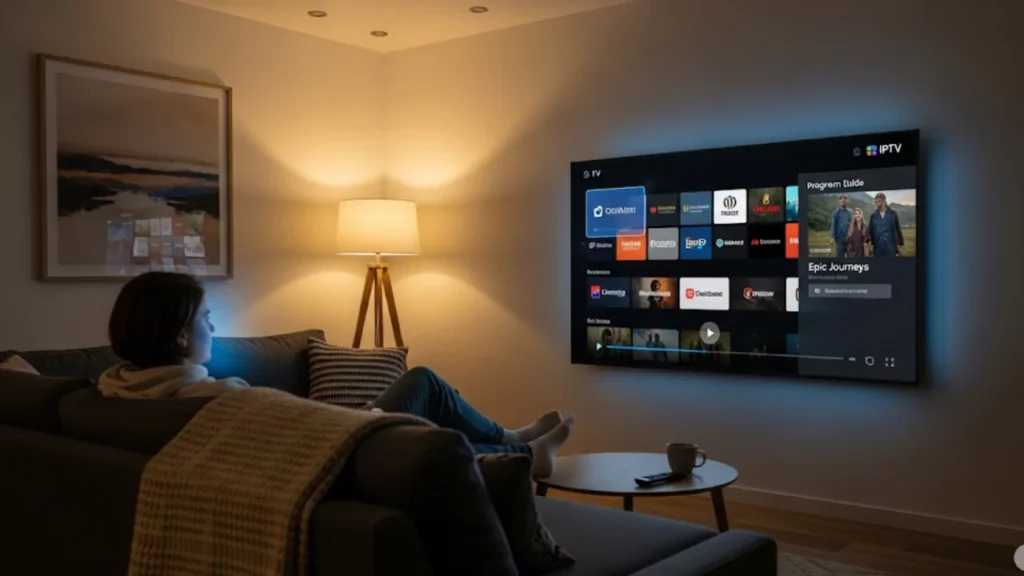

Streaming your favorite TV shows has never been easier, but have you tried IPTV? You can watch TV, movies, and live broadcasts online using IPTV. It replaces traditional cable or satellite services. It gives you great flexibility. You can watch what you want, when you want, on nearly any device with internet access. A growing number of people are choosing IPTV for individualized entertainment. It offers on-demand content, live streaming, and lets you pause or rewind shows.
IPTV means Internet Protocol Television. It streams live TV channels and on-demand content via your internet. This replaces old broadcasting methods. IPTV services are not the same as satellite or cable TV. They use streaming protocols to send video straight to your smart TV, set-top box, or mobile device. This also allows for interactive features and personalized viewing experiences.
What is IPTV?
Definition and Meaning
Videos and TV series can be aired via Internet Protocol Television (IPTV). It uses internet networks to deliver content. IPTV services send video content over the internet. You use the same connection for browsing or streaming on platforms like Prime Video.
The technology converts TV signals into data packets. These packets travel through your Internet Service Provider’s network. Users can watch videos and live TV channels anytime with this streaming service. They can also enjoy interactive TV features. You can use it on smart TVs, Apple TV, and IPTV boxes.
How IPTV Differs from Traditional TV
Traditional broadcasting sends signals to all viewers at the same time. Satellite or cable TV systems are used for this. IPTV services work by delivering content only when you request it. This is like how streaming platforms such as Amazon Prime Video and YouTube TV operate.
This on-demand approach means you’re not limited to scheduled programming. IPTV subscription services let you pick what and when to watch. This means more flexibility than regular TV. You don’t have to wait for your favorite program to premiere.
The Origins of IPTV
Development Timeline
IPTV technology emerged in the late 1990s as internet infrastructure improved globally. In the past, early systems needed quick internet and unique set-top boxes to decode digital TV signals. Fiber optic networks grew, boosting technology. They offered the bandwidth needed for quality video streaming.
In the early 2000s, major telecom companies began to offer IPTV services. They first aimed at businesses and tech-savvy users. As internet speeds grew and costs fell, more people could access these services. They looked for options beyond traditional cable TV providers.
Key Technological Advancements
Several innovations made modern IPTV possible:
- Fiber-optic cable networks enabled faster data transmission speeds
- Digital subscriber line (DSL) improvements expanded service availability
- Advanced encoding systems reduced bandwidth requirements while maintaining video quality
- Content delivery network infrastructure improved streaming reliability across different regions
How IPTV Works
Internet Protocol Delivery
IPTV uses internet protocols to stream video content from servers to your device. When you pick a channel or video, your request travels through the internet. It goes to the IPTV Service Provider’s servers. Then, they send the content back to your device.
The system uses protocols such as Real-Time Streaming Protocol and Hypertext Transfer Protocol. These help manage data transmission. Your Wi-Fi router or ethernet connection takes care of local delivery. This ensures smooth playback on your device.
Streaming Formats
Modern IPTV services support different streaming formats. They adapt to various devices and internet speeds. For live broadcasts, they employ MPEG transport streams. For adaptive streaming, MPEG-DASH adjusts the quality based on your connection speed. These protocols provide the best viewing experience. You can watch 4K content on a big smart TV. Or, you can enjoy standard definition video on your mobile while commuting.
Devices Supporting IPTV
IPTV services work across numerous devices:
- Smart TV platforms with built-in internet connectivity
- Dedicated IPTV box units designed specifically for these services
Set-top boxes are still popular for users who want IPTV features. Streaming sticks, on the other hand, provide a portable way to access content on any TV with an HDMI input.
What Are the Main IPTV Service Types?
Live Television
IPTV services provide live TV broadcasts just like traditional TV. They also offer better features. Live TV can be paused, rewinded, or recorded. This is not possible with traditional broadcasting.
Many IPTV Service Providers have large channel packages. These include local news, sports, and international shows. The interactive portal systems let you easily browse live TV channels. You can also access program guides that show upcoming content on all channels.
Video on Demand (VOD)
VOD platforms in IPTV services are similar to Netflix or Hulu + Live TV. They offer large collections of movies and TV shows that you can access anytime. Often, these are included with your IPTV subscription. These platforms have easy-to-use interfaces. You can search by genre, actor, or title. They also offer recommendations based on what you’ve watched and your preferences.
Time-Shifted TV
Time-shifted TV, or Catch-Up TV, lets you watch shows that aired recently on live channels. Don’t worry if you missed your favorite show last night. You can usually watch it for several days or even weeks after it aired.
This feature connects live TV with on-demand videos. You won’t miss important episodes or breaking news from your favorite channels.
Hybrid IPTV
Hybrid IPTV mixes traditional broadcasting with internet content. This gives you the best of both worlds. These systems can get regular broadcast signals. They can also access internet content and interactive features on demand.
Many smart TVs and set-top boxes now offer hybrid IPTV. They switch between broadcast and internet sources automatically. This helps improve performance and content access.
How Does IPTV Benefit Users?
Interactivity and Customization
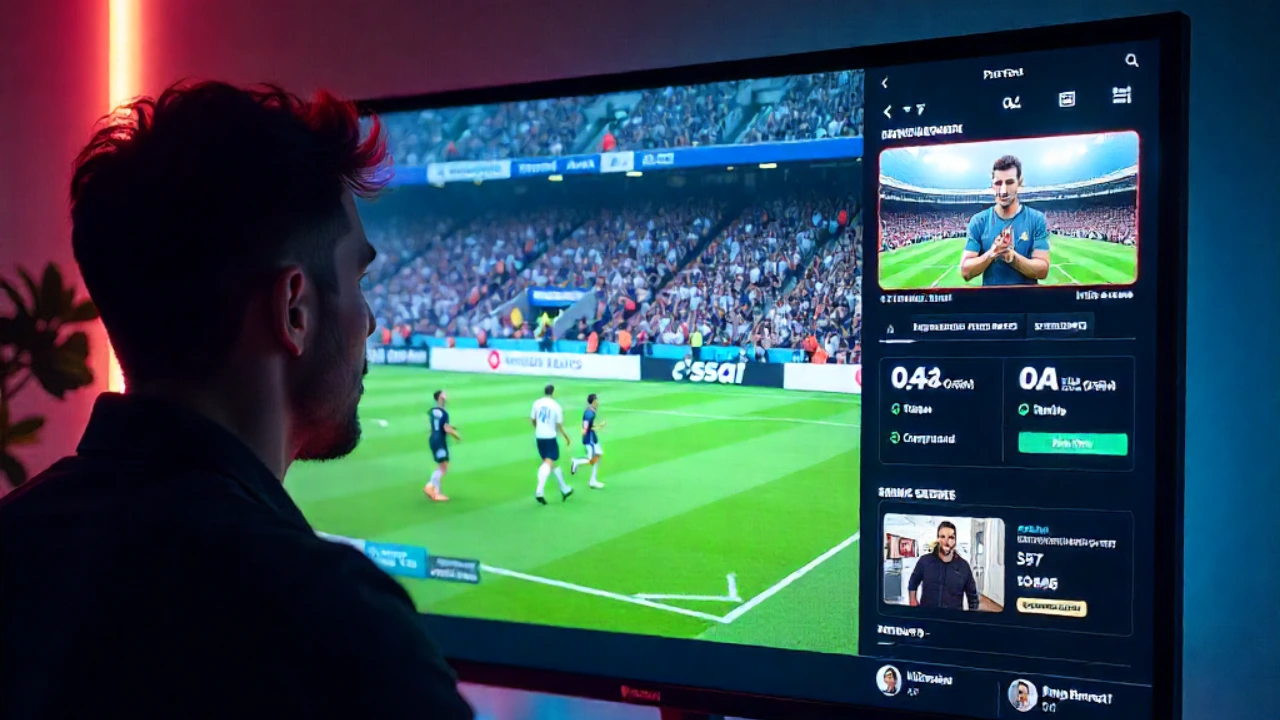
interactivity and customization include:
- IPTV services offer interactive features not available with traditional television.
- Viewers can customize their User Interface and create personalized user profiles.
- Access to detailed program information is provided.
- Interactive TV capabilities include:
- Voting in live shows.
- Accessing additional content.
- Participating in social features.
This technology allows for picture-in-picture viewing. It also provides different camera angles for sports broadcasts. Plus, it includes social media feeds. These interactive elements create more engaging viewing experiences than passive traditional television consumption.
Flexibility and Convenience
Unlike scheduled television programming, IPTV services provide ultimate viewing flexibility. Content can be started, stopped, and resumed on any device. Pick up right where you left off, whether you’re at home or on the go.
You can easily discover content thanks to smart search tools and recommendation engines. They assist you in discovering new films and television series. Your IPTV subscription works well on smartphones, tablets, laptops, and TVs. It supports multiple devices.
Global Accessibility
IPTV services can deliver content worldwide. They are limited by licensing agreements, not by geographical broadcasting rules. You can access international channels and shows through your internet. This opens up many entertainment choices beyond what’s available locally.
Travelers and expatriates benefit from this global reach. It helps them stay connected to their home country programs while living overseas.
Are There IPTV Challenges?
Regulatory Issues
IPTV services deal with complex rules that vary by country and region. Some providers must follow strict licensing rules and face content distribution limits. Legitimate IPTV services follow the law. So, consumers should check providers to make sure they comply with local digital TV rules.
Privacy Implications
Digital streaming services collect extensive viewing data, raising privacy concerns for many users. IPTV services monitor what you watch, when you watch it, and how long you view it. They may share this data with advertisers or content partners.
Users must read privacy policies closely. They need to know what data is collected by their IPTV subscription service.
Technical Challenges (Latency and Bandwidth)
IPTV quality relies on a stable and fast internet connection. 4K and HD streaming use a lot of bandwidth. This can impact other internet devices in your home network.
Network latency can lead to buffering problems. This is especially true during busy times when many neighbors use the internet at once. Reliable high-speed internet becomes essential for optimal IPTV experiences.
How Does IPTV Compare to OTT?
Differences in Delivery Method
IPTV usually needs managed network connections from your Internet Service Provider. This helps ensure good quality and reliable performance. OTT platforms like Pluto TV and Vimeo Streaming offer content via regular internet connections. There’s no need for special network management.
This managed approach allows IPTV services to deliver steadier streaming quality. It may be more costly than standalone OTT platforms that rely on the existing internet setup.
Pros and Cons of Each
IPTV advantages include:
- Integrated live TV and on-demand content
- Professional customer support
- Reliable streaming quality
- Advanced interactive features
OTT platform benefits include:
- Lower costs and flexible pricing
- Device compatibility across all internet-connected devices
- No special equipment requirements
- Easy cancellation and subscription management
Future of IPTV
Trends in Adoption
IPTV adoption is on the rise. As internet services get better everywhere, many people are looking for choices beyond cable TV. Younger people especially like IPTV services. They enjoy the flexibility and how well it works with mobile devices.
This technology attracts cord-cutters who want a complete TV replacement. It also keeps access to live TV channels and sports that regular streaming services lack.
Innovations Shaping the Industry
Emerging technologies will enhance IPTV capabilities:
- Artificial intelligence for improved content recommendations
- 5G networks enabling mobile IPTV experiences
- Cloud-based content storage reducing local hardware requirements
- Enhanced interactive features including augmented reality integration
These innovations will make IPTV services easier to access and packed with features. They might even replace traditional TV broadcasting in many markets.
Frequently Asked Questions
1. What does IPTV stand for?
IPTV means Internet Protocol Television. It sends TV content through the internet, not via cable or satellite.
2. What is the full meaning of IPTV?
IPTV stands for Internet Protocol Television. It lets you stream live channels and watch on-demand content online.
3. How does an IPTV work?
IPTV sends TV signals over the internet. You can watch it using an IPTV app or a set-top box.
4. What do you need to use IPTV?
To use IPTV, you need a good internet connection. You’ll also need an IPTV subscription and a compatible device. This can be a Smart TV, a smartphone, or a streaming box.
5. What are the downsides of IPTV?
Some downsides are buffering due to slow internet, unreliable service, and legal issues with unlicensed providers.
About The Author